Let us see how diabetes and Atkins diet can go hand in hand in managing blood sugar. The typical therapy for diabetes are drugs and a good diet of carbs and sugar. Many have known that limiting carbs, especially grain and refined sugar is an effective solution of preventing and managing type 2 diabetes.
Diabetes and Atkins diet can go hand in hand to achieve best health results. One of the more famous diets these days is Atkins Diet. This diet focuses more on lean protein and low consumption of carbohydrates. Atkins Diet can bring a substantial weight loss in a short period. It consists of four phases: Induction, On-Going Weight Loss, Pre-Maintenance and Lifetime Maintenance.
The Atkins Diabetes Revolution mainly has exclusive levels of meal preparation and carbohydrates intake. It begins with 20 grams every day, increasing to 40 then 60 grams every day. Dr. Atkins popularized the relationship of insulin and overweight.
Stage 1: Induction
In the first phase, the consumption of some lean fats and carbohydrates is very limited, 20 grams or lower. It helps patients with diabetes and individuals who are addicted to sweets, or those who are obese to reduce weight. Atkins diet also helps those who still do not have diabetes, reduce the risk of having diabetes. The limitation of carbohydrates in this phase
can lead to the state of ketosis, meaning the body burns its stored fat as fuel because of the absence of incoming glucose.
This phase mainly consists of high protein like chicken, fish, preferred vegetables and eggs. Carbs particulary pasta, sugar and bread are limited. Even nuts and fruits should be refrained.
This stage lasts about two weeks and can significantly change your metabolism. Exercising fair enough is important too.
Stage 2: Ongoing Weight Loss
This fits those with diabetes well. Atkins diet in the second phase, lets healthy carbs come in like vegetables and fruits. Whole grains are added in small quantities. It gradually introduces selected foods such as fruits, vegetables and nuts with the aim of still reducing weight.
The body continues to burn stored fats and the more balanced choice of foods allows a much wider meal variety. The patient should continue educating himself/herself of Atkins theory and keep in mind that his weight loss goal is 10 lbs.
Stage 3: Pre-Maintenance
This phase is for balancing carbohydrates, the stage where one accomplishes his normal and ideal weight. This can take maybe more than a few months.
Stage 4: Lifetime Maintenance
Just like the lifetime health maintenance especially those with diabetes, Atkins diet is meant to be followed forever. The patient should live a life of the ideal or standard weight which is a healthy weight.
Atkins Diet meals are fresh, lean and delectable. It makes becoming active and healthy easier to achieve.
Showing posts with label diabetes. Show all posts
Showing posts with label diabetes. Show all posts
Monday, April 23, 2012

Diabetes in Infants: Can Infants have Diabetes?
Diabetes in infants is possible. The more difficult part of their diabetes is that infants cannot express how they feel, nor give out complains, as they still cannot talk. However, the signs and symptoms of diabetes in adults are the same with the symptoms that they can have.
Yes, diabetes in infants can happen. Some very important signs that the infant have diabetes are excessive drinking and excessive urination (which brings in more wet diapers). These conditions are polydipsia and polyuria respectively. The infant still loses weight even if his eating habits are normal. The slower healing of sores can be obvious, with dry and itchy skin. The infant may not display blurry eyesight immediately but can give signs of hunger and fatigue (thus, he may sleep more than usual). In some infants, there can be a velvety dark rash on the neck, or tingling in the feet.
Infants should be examined immediately especially when already showing signs and symptoms of diabetes. Examination can be done by simple urine and blood tests to determine diabetes in infants. Exam results can be fairly fast, like a few minutes or a few days.
Type 1 diabetes, an immune system-related disease can be most of the types infants can develop. It is when the beta cells of the pancreas cannot produce insulin because the immune system mistakenly regards it as an enemy, thus attacking or destroying it. The lack of insulin makes the sugar stay in the blood, making the latter loaded with sugar, which brings many harmful effects.
Type 2 diabetes or resistance to insulin, affects the liver, muscle and fat by them not able to effectively process insulin. Insulin production is enough, but the body does not listen to insulin properly. This holds true with diabetes in infants.
Type 1 diabetes is most likely the one that affects the infants. Consult the pediatrician immediately who can diagnose the infant and give you valuable information on the best ways to manage diabetes in the baby.
It is worthy to know the risks. Type 1 diabetes affects one of every 400 – 600 children as reported by National Diabetes Information Clearing House. Non-Hispanic, white children are most susceptible. Albeit genetics plays a major role, infants with no family history of diabetes may still be hit.
Since infants have high metabolism, they can get dehydrated easily. Contact the infant’s pediatrician if he shows the following: sweating, crankiness, trembling, bluish fingers or lips and paleness. These can be signs of hypoglycemia.
Yes, diabetes in infants can happen. Some very important signs that the infant have diabetes are excessive drinking and excessive urination (which brings in more wet diapers). These conditions are polydipsia and polyuria respectively. The infant still loses weight even if his eating habits are normal. The slower healing of sores can be obvious, with dry and itchy skin. The infant may not display blurry eyesight immediately but can give signs of hunger and fatigue (thus, he may sleep more than usual). In some infants, there can be a velvety dark rash on the neck, or tingling in the feet.
Infants should be examined immediately especially when already showing signs and symptoms of diabetes. Examination can be done by simple urine and blood tests to determine diabetes in infants. Exam results can be fairly fast, like a few minutes or a few days.
Type 1 diabetes, an immune system-related disease can be most of the types infants can develop. It is when the beta cells of the pancreas cannot produce insulin because the immune system mistakenly regards it as an enemy, thus attacking or destroying it. The lack of insulin makes the sugar stay in the blood, making the latter loaded with sugar, which brings many harmful effects.
Type 2 diabetes or resistance to insulin, affects the liver, muscle and fat by them not able to effectively process insulin. Insulin production is enough, but the body does not listen to insulin properly. This holds true with diabetes in infants.
Type 1 diabetes is most likely the one that affects the infants. Consult the pediatrician immediately who can diagnose the infant and give you valuable information on the best ways to manage diabetes in the baby.
It is worthy to know the risks. Type 1 diabetes affects one of every 400 – 600 children as reported by National Diabetes Information Clearing House. Non-Hispanic, white children are most susceptible. Albeit genetics plays a major role, infants with no family history of diabetes may still be hit.
Since infants have high metabolism, they can get dehydrated easily. Contact the infant’s pediatrician if he shows the following: sweating, crankiness, trembling, bluish fingers or lips and paleness. These can be signs of hypoglycemia.
Transfer Factor for Diabetes
Further studies are ongoing whether transfer factor can directly help patients with diabetes deal with the disease, in order to ensure the partial findings of the past that it can possibly do, even indirectly.
Transfer factor has been promoted to cure a large number of diseases, including diabetes though it has not been proven enough yet. A transfer factor is a chemical taken from a human body or animal that already had developed immunity or protection against a disease. Taken by mouth or given as shots, transfer factors for different diseases are so far done in laboratories only intended for experiments. Research wants to see if transfer factors are capable of passing the immunity to those who need it.
Transfer factors are applied to people who have infections or who have weak immune systems. The infections can be caused by viruses or bacteria causing sinus infections, influenza, bronchitis, swine flu, chickenpox, common cold, hepatitis B, fungal and yeast conditions, leprosy and some parasitic infections. Transfer factor can also be applied against diabetes, infertility, autism, systemic lupu serythematosus (SLE), chronic fatigue syndrome (CFS), Alzheimer’s disease, balding and many others.
Type 1 diabetes which is an autoimmune disease signifies a disorder in the immune system but is not related to infection, a thing that transfer factor is said to be effective in fighting off. However, transfer factor offers the ability to control the immune system that responds hard; to aid building the balance as what happens with type 1 diabetes.
For type 2 diabetes, transfer factor can help in fighting against inflammations. Diabetics, either type 1 or type 2 have higher risks for infection because their bodies are incapable of utilizing glucose. The transference factors can extensively reinforce the immune system to respond faster and more efficiently before health threats come.
Transfer factor has been promoted to cure a large number of diseases, including diabetes though it has not been proven enough yet. A transfer factor is a chemical taken from a human body or animal that already had developed immunity or protection against a disease. Taken by mouth or given as shots, transfer factors for different diseases are so far done in laboratories only intended for experiments. Research wants to see if transfer factors are capable of passing the immunity to those who need it.
Transfer factors are applied to people who have infections or who have weak immune systems. The infections can be caused by viruses or bacteria causing sinus infections, influenza, bronchitis, swine flu, chickenpox, common cold, hepatitis B, fungal and yeast conditions, leprosy and some parasitic infections. Transfer factor can also be applied against diabetes, infertility, autism, systemic lupu serythematosus (SLE), chronic fatigue syndrome (CFS), Alzheimer’s disease, balding and many others.
Type 1 diabetes which is an autoimmune disease signifies a disorder in the immune system but is not related to infection, a thing that transfer factor is said to be effective in fighting off. However, transfer factor offers the ability to control the immune system that responds hard; to aid building the balance as what happens with type 1 diabetes.
For type 2 diabetes, transfer factor can help in fighting against inflammations. Diabetics, either type 1 or type 2 have higher risks for infection because their bodies are incapable of utilizing glucose. The transference factors can extensively reinforce the immune system to respond faster and more efficiently before health threats come.
Tuesday, April 10, 2012
How Diabetes Can Harm Your Body
When diabetes is already creeping inside your body, you may wonder how it can harm your body. Of course, the disease can cause severe health problems. That is why it is important to know diabetes signs and symptoms; and diabetes itself as well. Consult your doctor immediately for immediate help and treatment.
When diabetes is already in your system, it can harm your body so badly. Below are some of the damages diabetes can do to your body’s organs and other parts.
Heart
Diabetes is a major risk factor of a heart disease. High blood sugar as well as high cholesterol and high blood pressure can lead to cardiovascular accident or stroke.
Blood vessel disease
Hyperglycemia or rise of blood sugar will damage the blood vessels. It can cause blockage and cardiovascular attack. Blockage of vessels in the lower extremity triggers pain and impairs circulation.
Eyes
When the blood vessels are damaged, it will close off and new weaker vessels replace them. Tissues will possibly grew and deform the retina. Some type of eye diseases happen if you have diabetes. Diabetes can harm your body and your eyes particularly. It can lead to eye problems like diabetic retinopathy, cataract and glaucoma. These complications will lead you to blindness or vision loss.
Kidney
Hyperglycemia will damage the kidney and lead to bladder infections as well. Kidney disease or nephropathy can cause kidney failure. Kidney disease begins when the blood vessels in the kidney leak. This leak allows the protein from the blood to be excreted with urine. If the kidney fails, the person shall need dialysis or kidney transplant.
Feet
Diabetes can cause damage to the body’s nerves. Never damage on the other hand will lead to pain and numbness.
Depression
If you have diabetes, it can harm your body and emotions too. Sometimes you feel bad and want to give up especially when you feel your energy is decreasing.
Mouth
Diabetic patients can possibly lose teeth because of gum problems. Gum and teeth problems can lead to heart complications as well.
When diabetes is already in your system, it can harm your body so badly. Below are some of the damages diabetes can do to your body’s organs and other parts.
Heart
Diabetes is a major risk factor of a heart disease. High blood sugar as well as high cholesterol and high blood pressure can lead to cardiovascular accident or stroke.
Blood vessel disease
Hyperglycemia or rise of blood sugar will damage the blood vessels. It can cause blockage and cardiovascular attack. Blockage of vessels in the lower extremity triggers pain and impairs circulation.
Eyes
When the blood vessels are damaged, it will close off and new weaker vessels replace them. Tissues will possibly grew and deform the retina. Some type of eye diseases happen if you have diabetes. Diabetes can harm your body and your eyes particularly. It can lead to eye problems like diabetic retinopathy, cataract and glaucoma. These complications will lead you to blindness or vision loss.
Kidney
Hyperglycemia will damage the kidney and lead to bladder infections as well. Kidney disease or nephropathy can cause kidney failure. Kidney disease begins when the blood vessels in the kidney leak. This leak allows the protein from the blood to be excreted with urine. If the kidney fails, the person shall need dialysis or kidney transplant.
Feet
Diabetes can cause damage to the body’s nerves. Never damage on the other hand will lead to pain and numbness.
Depression
If you have diabetes, it can harm your body and emotions too. Sometimes you feel bad and want to give up especially when you feel your energy is decreasing.
Mouth
Diabetic patients can possibly lose teeth because of gum problems. Gum and teeth problems can lead to heart complications as well.
Diabetes Signs and Symptoms: Tips That You Already Have the Disease
People who already have diabetes never thought that the disease is already in their system. Albeit there are already a widespread of information about the signs and symptoms, people tend to ignore it. Once officially diagnosed with diabetes, it is then that they feel alarmed and shocked.
Diabetes signs and symptoms are simple but recurring. Diabetic patients usually complained of several non-precise, unexplained matters which already reveal the symptoms of diabetes.
Some of these complaints are unexplained rapid lose of weight, deep breath, tiredness or fatigue, nausea or vomiting, frequent urination, hunger and thirst, wounds that are not easily healed and feeling of crawl or irritation on skin.
If you feel the presence of these signs and symptoms, it is best to go for a checkup with your doctor or health professional. The above-mentioned signs and symptoms are not complete and comprehensive but if your healthcare provider has detected some of these, you must already be alarmed. An initial diagnosis of diabetes may help you obtain not just the assistance of your healthcare provider but the administration of proper treatment so you shall continue to stay well. After all, that is why diabetes signs and symptoms are widely-spread for early detection and treatment.
Be keen on your abdomen
Being overweight or obese can be the major reason for the development of diabetes. If you see your abdomen to be big or fat as opposed to your thighs and hips, then beware. This kind of deep fat is directly linked to insulin resistance. You should go for a diabetes test or checkup if your abdomen is 35 inches or more of circumference (for women) and 40 inches and above (for men).
Pre-diabetes can also develop when a discoloration of the skin occurs which is called acanthosis nigricans. Discoloration happens mostly in elbows, knees, knuckles, armpit and at the back of the neck.
Diabetes signs and symptoms are simple but recurring. Diabetic patients usually complained of several non-precise, unexplained matters which already reveal the symptoms of diabetes.
Some of these complaints are unexplained rapid lose of weight, deep breath, tiredness or fatigue, nausea or vomiting, frequent urination, hunger and thirst, wounds that are not easily healed and feeling of crawl or irritation on skin.
If you feel the presence of these signs and symptoms, it is best to go for a checkup with your doctor or health professional. The above-mentioned signs and symptoms are not complete and comprehensive but if your healthcare provider has detected some of these, you must already be alarmed. An initial diagnosis of diabetes may help you obtain not just the assistance of your healthcare provider but the administration of proper treatment so you shall continue to stay well. After all, that is why diabetes signs and symptoms are widely-spread for early detection and treatment.
Be keen on your abdomen
Being overweight or obese can be the major reason for the development of diabetes. If you see your abdomen to be big or fat as opposed to your thighs and hips, then beware. This kind of deep fat is directly linked to insulin resistance. You should go for a diabetes test or checkup if your abdomen is 35 inches or more of circumference (for women) and 40 inches and above (for men).
Pre-diabetes can also develop when a discoloration of the skin occurs which is called acanthosis nigricans. Discoloration happens mostly in elbows, knees, knuckles, armpit and at the back of the neck.
Diabetes Complication: Glaucoma and Other Eye Disorder
If you were diagnosed with diabetes, you better visit your ophthalmologist for eye examination to prevent eye problems such as glaucoma. Diabetes is the primary basis of loss of sight especially in old people ages 20 to 74.
High blood glucose raises the risk of diabetes eye problems. High blood sugar levels in diabetic person cause the lens of the eyes to swell, which changes your capability to see.
Glaucoma happens when the optic nerve of the eye, which is its electric wire that transports messages to the brain what the eyes have seen, is pressed by extra fluid which damages the eyesight.
The pair of diabetes and glaucoma caused intrigues for years since diabetic patients have doubled the chance of developing glaucoma and at the same time, people with glaucoma to have diabetes is also higher than those without the eye disease.
Neovascular glaucoma, a very uncommon type is often related to some abnormalities in which patients with diabetes are the most common targets for this type of glaucoma. In cases of diabetes retinopathy, the retina blood vessels are ruined, causing the retina to produce new, but not normal blood vessels. If these abnormal blood vessels group in the iris (iris is the part of the eye that is colored), it blocks the flow of fluid in the eye and causes rise of eye pressure. Neovascular glaucoma is hard to cure, one of the options of which is laser surgery to aid lessen the abnormal blood vessels on the retinal surface and iris. Some later studies also proved drainage implants usage as another option to treat neovascular glaucoma.
Diabetic patients most likely shall have glaucoma and cataracts earlier than those who have no diabetes. These eye diseases like glaucoma show no signs and symptoms at early stages. Then the signs, when they appear include watering of the eyes, eye ache or pain, headache, unclear vision and halos around lights. The seriousness of these diabetic-related vision problems is determined by the diet, physical activity and diabetes control of the patient.
To remedy glaucoma or other eye problems, manage the blood glucose to 90 – 130 mg/dL before meals and less than 180 mg/dL an hour or two after a meal.
High blood glucose raises the risk of diabetes eye problems. High blood sugar levels in diabetic person cause the lens of the eyes to swell, which changes your capability to see.
Glaucoma happens when the optic nerve of the eye, which is its electric wire that transports messages to the brain what the eyes have seen, is pressed by extra fluid which damages the eyesight.
The pair of diabetes and glaucoma caused intrigues for years since diabetic patients have doubled the chance of developing glaucoma and at the same time, people with glaucoma to have diabetes is also higher than those without the eye disease.
Neovascular glaucoma, a very uncommon type is often related to some abnormalities in which patients with diabetes are the most common targets for this type of glaucoma. In cases of diabetes retinopathy, the retina blood vessels are ruined, causing the retina to produce new, but not normal blood vessels. If these abnormal blood vessels group in the iris (iris is the part of the eye that is colored), it blocks the flow of fluid in the eye and causes rise of eye pressure. Neovascular glaucoma is hard to cure, one of the options of which is laser surgery to aid lessen the abnormal blood vessels on the retinal surface and iris. Some later studies also proved drainage implants usage as another option to treat neovascular glaucoma.
Diabetic patients most likely shall have glaucoma and cataracts earlier than those who have no diabetes. These eye diseases like glaucoma show no signs and symptoms at early stages. Then the signs, when they appear include watering of the eyes, eye ache or pain, headache, unclear vision and halos around lights. The seriousness of these diabetic-related vision problems is determined by the diet, physical activity and diabetes control of the patient.
To remedy glaucoma or other eye problems, manage the blood glucose to 90 – 130 mg/dL before meals and less than 180 mg/dL an hour or two after a meal.
Diabetes and Hypertension Compete in Causing Heart Failure to Older Americans
Diabetes and hypertension have been found to be competing to cause heart failure and eventually death among older Americans. Therefore, it is highly recommended to focus on the treatment of these illnesses to avoid heart attacks and death.
About 300,000 Americans die of heart failure annually and the major causes of this are diabetes and hypertension. There has been a study conducted that resulted to the conclusion that without hypertension and diabetes, the risk of getting into heart failure disappears.
Over 4.7 million Americans have congestive heart failure (CHF) nowadays and every year, this disease occupies topmost cause of death of 250,000 people. It is realized that 1 congestive heart failure is found in 2 percent of people aged 40 to 69, beyond 5 percent of people aged 60 to 69 and in 10 percent of people aged 70 and above.
Congestive heart failure is a type of heart disease that increases its prevalence in causing deaths. CHF which is caused mainly by diabetes and hypertension, is in itself a result of poor prognosis, hospitalizations and drains a lot of Medicare budget while robbing many senior citizens the chance to enjoy their retirement years.
John Hopkins cardiologists found that genetics- and environmental-related illnesses diabetes and hypertension play a big role in developing heart failure, and not so with race.
Aside from diabetes and high blood pressure, some causes of heart failure are family history, age, smoking, gender, socio-economic factors and some other health problems. Some studies were conducted in the past to see the topmost cause of heart failure and focused quite much on race but with the absence of diabetes and hypertension, the risk of heart failure evaporates, especially among African-Americans.
Hossein Bahrami, M.P.H., M.D. – a lead researcher has a clear message to the physicians. That in order to get rid of heart failure especially among elder Americans, they should be more aggressive in treating diabetes and hypertension either by increasing the frequency of screenings or emphasizing therapies and medications. These two contributors of heart failure, which are diseases themselves should be put under control all the time.
About 300,000 Americans die of heart failure annually and the major causes of this are diabetes and hypertension. There has been a study conducted that resulted to the conclusion that without hypertension and diabetes, the risk of getting into heart failure disappears.
Over 4.7 million Americans have congestive heart failure (CHF) nowadays and every year, this disease occupies topmost cause of death of 250,000 people. It is realized that 1 congestive heart failure is found in 2 percent of people aged 40 to 69, beyond 5 percent of people aged 60 to 69 and in 10 percent of people aged 70 and above.
Congestive heart failure is a type of heart disease that increases its prevalence in causing deaths. CHF which is caused mainly by diabetes and hypertension, is in itself a result of poor prognosis, hospitalizations and drains a lot of Medicare budget while robbing many senior citizens the chance to enjoy their retirement years.
John Hopkins cardiologists found that genetics- and environmental-related illnesses diabetes and hypertension play a big role in developing heart failure, and not so with race.
Aside from diabetes and high blood pressure, some causes of heart failure are family history, age, smoking, gender, socio-economic factors and some other health problems. Some studies were conducted in the past to see the topmost cause of heart failure and focused quite much on race but with the absence of diabetes and hypertension, the risk of heart failure evaporates, especially among African-Americans.
Hossein Bahrami, M.P.H., M.D. – a lead researcher has a clear message to the physicians. That in order to get rid of heart failure especially among elder Americans, they should be more aggressive in treating diabetes and hypertension either by increasing the frequency of screenings or emphasizing therapies and medications. These two contributors of heart failure, which are diseases themselves should be put under control all the time.
Diabetes Increases Rate of Cardiovascular Disease
Patients who have diabetes are inclined to increase cardiovascular disease or get into strokes at an early age than other individuals. If you are diagnosed of diabetes, you are in danger to have heart disease and the most-dreaded deadly stroke.
Diabetes definitely can lead to cardiovascular diseases. Cardiovascular disease and hypertension can be hereditary or genetics. This means if one or more of your family members have it, you have the possibility to have it too since it runs in your blood.
The risk of heart disease and stroke is at least doubled compared to the one who has no diabetes. A middle-aged person with type 2 diabetes has a chance of having a heart attack as high as the person who had already experienced heart attack.
Women who have not gone menopause yet have less risk to heart disease than men of the same age. However, diabetic women have a high risk of heart disease because diabetes cancels out the protective effects of being a woman in her child-bearing years.
For people with diabetes and who are proned to cardiovascular ilnesses, high sugar levels eventually will lead the way to increase the deposits of fatty substance on the interior part of the blood vessel partition. This deposit can have a bad effect blood stream and block and solidify the blood vessels (atherosclerosis).
Patients who have diabetes are inclined to increase heart disease or get into strokes at an early age than other individuals.
You cannot change genetics for having diabetes, hypertension and cardiovascular diseases running in your family:
Avoid central obesity
Central obesity means having extra weight around the waist opposing the hips. Waist measurement should be 40 inches or less for men, and 35 inches for women. More than those figures indicate central obesity already, even without diabetes yet. The risk of cardiovascular disease is higher since the fats in the abdomen increase LDL or bad cholesterol production. LDL is a blood fat which can be stored inside the blood vessel walls.
Do not smoke
Smoking makes you double the risk to cardiovascular diseases. It is important to stop smoking if you want to avoid its harmful effects, and most especially if you have diabetes. Both smoking and diabetes can tighten the blood vessels. For diabetics, smoking increases complications like eye problem, damage leg blood vessels and increase the danger of amputation.
Diabetes definitely can lead to cardiovascular diseases. Cardiovascular disease and hypertension can be hereditary or genetics. This means if one or more of your family members have it, you have the possibility to have it too since it runs in your blood.
The risk of heart disease and stroke is at least doubled compared to the one who has no diabetes. A middle-aged person with type 2 diabetes has a chance of having a heart attack as high as the person who had already experienced heart attack.
Women who have not gone menopause yet have less risk to heart disease than men of the same age. However, diabetic women have a high risk of heart disease because diabetes cancels out the protective effects of being a woman in her child-bearing years.
For people with diabetes and who are proned to cardiovascular ilnesses, high sugar levels eventually will lead the way to increase the deposits of fatty substance on the interior part of the blood vessel partition. This deposit can have a bad effect blood stream and block and solidify the blood vessels (atherosclerosis).
Patients who have diabetes are inclined to increase heart disease or get into strokes at an early age than other individuals.
You cannot change genetics for having diabetes, hypertension and cardiovascular diseases running in your family:
Avoid central obesity
Central obesity means having extra weight around the waist opposing the hips. Waist measurement should be 40 inches or less for men, and 35 inches for women. More than those figures indicate central obesity already, even without diabetes yet. The risk of cardiovascular disease is higher since the fats in the abdomen increase LDL or bad cholesterol production. LDL is a blood fat which can be stored inside the blood vessel walls.
Do not smoke
Smoking makes you double the risk to cardiovascular diseases. It is important to stop smoking if you want to avoid its harmful effects, and most especially if you have diabetes. Both smoking and diabetes can tighten the blood vessels. For diabetics, smoking increases complications like eye problem, damage leg blood vessels and increase the danger of amputation.
Diabetes and Hypertension in African-Americans
Diabetes is a common disease in African-Americans. History and the records tell us that. Also, African Americans have the tendency to have hypertension. So, these diseases – diabetes and hypertension are just very common to them.
Diabetes
The diabetes that is prevalent in African-Americans usually is caused by genetics and obesity. As we know, this illness can lead them to more serious conditions like hypertension, kidney problems, heart diseases, eye disorder and many others that can lead to strokes, heart accidents and death.
Sodium and salt
Sometimes it is speculated that a gene of the African-American race has made them more responsive to salt. In fact, they similarly have high rates of cardiovascular disease and obesity which put them at greater risk for high blood pressure and diabetes respectively.
Now, most sodium come from salt or becomes present through food processing. Foods with sodium are chicken, pasta, condiments, salad dressing and some more. Adding salt when cooking foods provides a portion of African-American intake of sodium. Being aware of their risk factors to diabetes and hypertension, African-Americans demand a cut down or elimination of sodium content as they are sensitive to salt. So, the African Americans use the unprocessed foods and no-salt foods. In cooking their foods, they are using herbs and spices as a replacement for salt. They are experimenting and testing different kinds of herbs and spices combination that will bring out the greatest taste for the dish. They also follow DASH diets which help to lower the blood pressure.
High blood pressure
High Blood pressure is a disease that contributes additional damage to the heart and intensifies the risk for a stroke, cardiovascular accident, kidney disease, heart failure and early death.
Other diseases in African-Americans
Diabetes and hypertension are not the only common diseases in the African-American community, but other illnesses as well. Though, there have been not much proof, it is credited to their racial background and their records of enduring sufferings in the past.
Diabetes
The diabetes that is prevalent in African-Americans usually is caused by genetics and obesity. As we know, this illness can lead them to more serious conditions like hypertension, kidney problems, heart diseases, eye disorder and many others that can lead to strokes, heart accidents and death.
Sodium and salt
Sometimes it is speculated that a gene of the African-American race has made them more responsive to salt. In fact, they similarly have high rates of cardiovascular disease and obesity which put them at greater risk for high blood pressure and diabetes respectively.
Now, most sodium come from salt or becomes present through food processing. Foods with sodium are chicken, pasta, condiments, salad dressing and some more. Adding salt when cooking foods provides a portion of African-American intake of sodium. Being aware of their risk factors to diabetes and hypertension, African-Americans demand a cut down or elimination of sodium content as they are sensitive to salt. So, the African Americans use the unprocessed foods and no-salt foods. In cooking their foods, they are using herbs and spices as a replacement for salt. They are experimenting and testing different kinds of herbs and spices combination that will bring out the greatest taste for the dish. They also follow DASH diets which help to lower the blood pressure.
High blood pressure
High Blood pressure is a disease that contributes additional damage to the heart and intensifies the risk for a stroke, cardiovascular accident, kidney disease, heart failure and early death.
Other diseases in African-Americans
Diabetes and hypertension are not the only common diseases in the African-American community, but other illnesses as well. Though, there have been not much proof, it is credited to their racial background and their records of enduring sufferings in the past.
Older Adults with Depression More Likely to have Diabetes
Seniors must be careful. It has been found out in studies that older adults with depression are more likely to develop diabetes than those who have no depression. The longer the depression has been staying, the bigger the possibility.
Some older people who have experienced depression are most likely to develop type 2 diabetes. Along with depression comes trouble in sleeping and irritability. According to studies, about two million adults have experienced depression, 15.3 percent of those more than 65 have diabetes.
What studies have found
On 24 April 2007, older people who have symptoms and signs of depression – even if those symptoms occur only once, have great possibilities to develop diabetes than those who have not. However, there are few exemptions. The majority of the studies have defined symptoms and signs of depression based on a single study filled out by participants. Diabetes likely occurs when the symptoms and signs of depression or when depression has been present for a longer time.
The older the person and the longer the depression has been staying are very dangerous signs that forerun diabetes.
It is far better to have not suffered depression at all. Older adults, senior citizens and the baby boomers (who already have aged these days), should be extra careful on the depression-diabetes combination, as it is destructive.
Some ways to avoid depression
Depression is something that needs to be avoided not just for older adults or senior citizens but for everyone as well. We can avoid depression by offering goodwill to others or make others happy (because we cannot be happy by making others miserable), controlling our thoughts to be directed to the positive ones only, keeping busy, avoiding feelings of guilt, living a balanced life, not basing our happiness to other people and sharing problems to others.
Some older people who have experienced depression are most likely to develop type 2 diabetes. Along with depression comes trouble in sleeping and irritability. According to studies, about two million adults have experienced depression, 15.3 percent of those more than 65 have diabetes.
What studies have found
On 24 April 2007, older people who have symptoms and signs of depression – even if those symptoms occur only once, have great possibilities to develop diabetes than those who have not. However, there are few exemptions. The majority of the studies have defined symptoms and signs of depression based on a single study filled out by participants. Diabetes likely occurs when the symptoms and signs of depression or when depression has been present for a longer time.
The older the person and the longer the depression has been staying are very dangerous signs that forerun diabetes.
It is far better to have not suffered depression at all. Older adults, senior citizens and the baby boomers (who already have aged these days), should be extra careful on the depression-diabetes combination, as it is destructive.
Some ways to avoid depression
Depression is something that needs to be avoided not just for older adults or senior citizens but for everyone as well. We can avoid depression by offering goodwill to others or make others happy (because we cannot be happy by making others miserable), controlling our thoughts to be directed to the positive ones only, keeping busy, avoiding feelings of guilt, living a balanced life, not basing our happiness to other people and sharing problems to others.
Some Smarter Ways in Managing Diabetes
Try new veggies and fruits
For the things that you still do not know, or doubt about, it is a smarter way to ask. It is your right to ask what is best for you as a patient with diabetes. Especially in balancing your food intake, as well as comparing your glucose level is forever a concern. That is why, most diabetics are scared to seek variety of veggies and fruits. Do not hesitate to ask in the grocery store and search in the internet.
Establish association with other diabetics
Diabetes brings depression with it. This situation is exacerbated if you exist in isolation. Make an acquaintance with various people to boost motivational levels.
Exercise more
Exercise like walking will improve the well−being of a person. It is a smarter way to include exercise in your life, not just for diabetics but for those without diabetes as well. Just do brisk walking in 10 minutes three times daily and five times a week.
Clean the kitchen
By cleaning the kitchen it would overcome your craving with sugary snacks. Get out of it.
Go to stem test
Everyday examine yourself regarding your body's reaction to certain foods and behavior. Monitoring your glucose levels will let you retain better control towards the amount.
See your physician
Make an appointment with your physician often, to prevent an emergency, if you feel any anxiety.
Acquire new knowledge
Stay tuned and attentive. Research and read more new information about diabetes such as from TV, fitness magazines and internet. Do that smart way to be alert and updated on what’s new in the world of diabetes.
Take a break
Enjoy life. Take a vacation and do anything which is important to you. Be optimistic and do not think too much about diabetes.
Go for lightly-discharge carbohydrates
Eat your normal daily meals and keep an even increase of carbohydrate intake during the day to avoid spikes in your sugar levels.
Other ways
Create a plan of what you are eating on those meals and eat responsibly. Keep your mind sharp. Find something challenging that keeps you mentally active.
Snack sensibly by choosing healthy snacks. Choose wisely when eating out. Do the smart way of not eating where it can harm or trigger diabetes. Know your alcohol units. Know the limits the fluid intake. Visit you ophthalmologist to know the condition of your eyes. Get plenty of sleep. Avoid stress that leads to insomnia.
Also, help others by sharing your knowledge and ideas on how to manage diabetes. Or participating any fundraising activities and widen the expression consciousness.
For the things that you still do not know, or doubt about, it is a smarter way to ask. It is your right to ask what is best for you as a patient with diabetes. Especially in balancing your food intake, as well as comparing your glucose level is forever a concern. That is why, most diabetics are scared to seek variety of veggies and fruits. Do not hesitate to ask in the grocery store and search in the internet.
Establish association with other diabetics
Diabetes brings depression with it. This situation is exacerbated if you exist in isolation. Make an acquaintance with various people to boost motivational levels.
Exercise more
Exercise like walking will improve the well−being of a person. It is a smarter way to include exercise in your life, not just for diabetics but for those without diabetes as well. Just do brisk walking in 10 minutes three times daily and five times a week.
Clean the kitchen
By cleaning the kitchen it would overcome your craving with sugary snacks. Get out of it.
Go to stem test
Everyday examine yourself regarding your body's reaction to certain foods and behavior. Monitoring your glucose levels will let you retain better control towards the amount.
See your physician
Make an appointment with your physician often, to prevent an emergency, if you feel any anxiety.
Acquire new knowledge
Stay tuned and attentive. Research and read more new information about diabetes such as from TV, fitness magazines and internet. Do that smart way to be alert and updated on what’s new in the world of diabetes.
Take a break
Enjoy life. Take a vacation and do anything which is important to you. Be optimistic and do not think too much about diabetes.
Go for lightly-discharge carbohydrates
Eat your normal daily meals and keep an even increase of carbohydrate intake during the day to avoid spikes in your sugar levels.
Other ways
Create a plan of what you are eating on those meals and eat responsibly. Keep your mind sharp. Find something challenging that keeps you mentally active.
Snack sensibly by choosing healthy snacks. Choose wisely when eating out. Do the smart way of not eating where it can harm or trigger diabetes. Know your alcohol units. Know the limits the fluid intake. Visit you ophthalmologist to know the condition of your eyes. Get plenty of sleep. Avoid stress that leads to insomnia.
Also, help others by sharing your knowledge and ideas on how to manage diabetes. Or participating any fundraising activities and widen the expression consciousness.
Friday, April 6, 2012
Mushrooms for Diabetes
Mushrooms are one of the items that are believed to have natural remedies for diabetes because they have properties that help lower glucose levels in the blood.
Mushrooms is one of the ingredients that has an impact in curing diabetes. When you had diabetes you’re aware of various treatments and procedures to take to help treat the condition. Medications are one of the methods used, as with any medical occurrence there also exist a fair number of natural or organic methods to help fight diabetes and edible mushrooms is one of them.
Mushrooms contain natural insulin and enzymes that helps break down the sugar of the food. It is a better ingredient for a low energy diet for diabetes since it has no fats, no cholesterol, low carbohydrates, high protein, vitamins and minerals, a lot of water and fiber.
However, there are only selected edible mushrooms that can be used as ingredients since most of the mushrooms are poisonous and can kill, instead of heal disease like diabetes. It is better to know what they are and do not dare to pick them up from woods or buy them from unknown vendors unless you know them very well. It is better to buy them from reputed companies or stores.
Here are some examples of mushrooms for diabetes:
Maitake Mushrooms:
It contains compound chemicals that increase the body’s sensitivity to insulin and increase its ability to recognize glucose levels. It helps lower blood pressure and control glucose level.
Reishi Mushrooms:
It helps lower blood sugar levels by inhibiting a key enzyme the liver uses to produce glucose.
Lingzhi Mushrooms:
Best serve as an auxiliary supplement to diabetes since it reduced hypertension, ulcers, strokes, and impotence, which is a side effect of other congenital diabetes.
However, there are still mushrooms being studied and researched by scientists since it creates a bigger impact in curing diabetes because of its anti-diabetes properties like White Button Mushrooms and Rooting Cauliflower Mushrooms.
Mushrooms is one of the ingredients that has an impact in curing diabetes. When you had diabetes you’re aware of various treatments and procedures to take to help treat the condition. Medications are one of the methods used, as with any medical occurrence there also exist a fair number of natural or organic methods to help fight diabetes and edible mushrooms is one of them.
Mushrooms contain natural insulin and enzymes that helps break down the sugar of the food. It is a better ingredient for a low energy diet for diabetes since it has no fats, no cholesterol, low carbohydrates, high protein, vitamins and minerals, a lot of water and fiber.
However, there are only selected edible mushrooms that can be used as ingredients since most of the mushrooms are poisonous and can kill, instead of heal disease like diabetes. It is better to know what they are and do not dare to pick them up from woods or buy them from unknown vendors unless you know them very well. It is better to buy them from reputed companies or stores.
Here are some examples of mushrooms for diabetes:
Maitake Mushrooms:
It contains compound chemicals that increase the body’s sensitivity to insulin and increase its ability to recognize glucose levels. It helps lower blood pressure and control glucose level.
Reishi Mushrooms:
It helps lower blood sugar levels by inhibiting a key enzyme the liver uses to produce glucose.
Lingzhi Mushrooms:
Best serve as an auxiliary supplement to diabetes since it reduced hypertension, ulcers, strokes, and impotence, which is a side effect of other congenital diabetes.
However, there are still mushrooms being studied and researched by scientists since it creates a bigger impact in curing diabetes because of its anti-diabetes properties like White Button Mushrooms and Rooting Cauliflower Mushrooms.
Reishi Mushrooms and the Fight Against Diabetes
Reishi mushrooms are accepted as an alternative cure for treating some diseases including diabetes, hepatitis and some types of cancer. Reishi mushrooms do its treatment without bad effects.
The power of reishi mushrooms to fight diabetes was published in the “Current Pharmaceutical Biotechnology” December 2009 issue. Reishi mushrooms have 400 bioactive compounds that have the capability to affect the body cells’ functions. One of the pharmacological benefits that they give is the prevention and cure of diabetes.
Reishi affects the immune system and helps lower the possibility of inflammation – which are both critical issues of a diabetic. On top of this, reishi gives diabetics the following benefits that solve their critical issues: it has antiviral and antibacterial properties, holds back the formation of arterial plaque and lowers cholesterol levels. This has been found in the study in Gwalior, India Research and Development Centre, Bisen Biotech and Biopharma Pvt. Ltd.
Blood sugar
Meanwhile, the Chinese University of Hongkong found reishi mushrooms good for managing diabetes lower blood sugar in laboratory animals in just a week. Reishi did that by slowing down an enzyme that liver utilizes to produce glucose. Such study was published in the Phytomedicine journal issue May 2009.
Reishi mushrooms were used to deliver orally-administered insulin so the latter can effectively function. If taken orally, insulin has to survive the stomach’s acidic environment. Scientists in Peking University China experiment, injected insulin into the spores of reishi mushrooms which resulted to the decrease of blood glucose to 80 percent in diabetic animals.
Reishi and insulin
Reishi is found to be good in fighting diabetes like insulin does. However, insulin can eventually result to the pancreas’ premature aging and can make the body depend on it. Reishi mushrooms do not give adverse effects to the pancreas and make the body manage without extra insulin. Reishi’s fight against diabetes is natural. The only drawback is that patients are not allowed to take reishi for long because it might result to stomach pain, dizziness, dry mouth and nosebleeds.
Kidney effects
Reishi mushrooms are good in fighting against diabetic kidneys by lowering triglycerides and kidney stress. Its capability of decreasing the levels of serum creatinine prevents diabetic nephropathy. Reishi mushrooms can improve the conditions of the kidneys – normal or damaged alike.
The power of reishi mushrooms to fight diabetes was published in the “Current Pharmaceutical Biotechnology” December 2009 issue. Reishi mushrooms have 400 bioactive compounds that have the capability to affect the body cells’ functions. One of the pharmacological benefits that they give is the prevention and cure of diabetes.
Reishi affects the immune system and helps lower the possibility of inflammation – which are both critical issues of a diabetic. On top of this, reishi gives diabetics the following benefits that solve their critical issues: it has antiviral and antibacterial properties, holds back the formation of arterial plaque and lowers cholesterol levels. This has been found in the study in Gwalior, India Research and Development Centre, Bisen Biotech and Biopharma Pvt. Ltd.
Blood sugar
Meanwhile, the Chinese University of Hongkong found reishi mushrooms good for managing diabetes lower blood sugar in laboratory animals in just a week. Reishi did that by slowing down an enzyme that liver utilizes to produce glucose. Such study was published in the Phytomedicine journal issue May 2009.
Reishi mushrooms were used to deliver orally-administered insulin so the latter can effectively function. If taken orally, insulin has to survive the stomach’s acidic environment. Scientists in Peking University China experiment, injected insulin into the spores of reishi mushrooms which resulted to the decrease of blood glucose to 80 percent in diabetic animals.
Reishi and insulin
Reishi is found to be good in fighting diabetes like insulin does. However, insulin can eventually result to the pancreas’ premature aging and can make the body depend on it. Reishi mushrooms do not give adverse effects to the pancreas and make the body manage without extra insulin. Reishi’s fight against diabetes is natural. The only drawback is that patients are not allowed to take reishi for long because it might result to stomach pain, dizziness, dry mouth and nosebleeds.
Kidney effects
Reishi mushrooms are good in fighting against diabetic kidneys by lowering triglycerides and kidney stress. Its capability of decreasing the levels of serum creatinine prevents diabetic nephropathy. Reishi mushrooms can improve the conditions of the kidneys – normal or damaged alike.
All About T- Cells and Diabetes
T-cells have something to do with type 1 diabetes. Type 1 diabetes is an autoimmune disease, that is, when the immune system mistakenly see pancreas as an enemy and attacks it.
T-cells going wrong cause type 1diabetes. T-cells are the white blood cells that protect the body from several illnesses under normal conditions. They receive the signal to destroy cells in the islet - that part of the pancreas that produces insulin. About 90 percent of the T-cells of the body are actually destroyed because some of them are capable of attacking the body’s healthy tissues; and when these tissues are not destroyed, they then ignore the body’s signal that says “Don’t do this.”
T- cells are white blood cells and are significant members of the immune system which control infections. A healthy body has Th17 cells, a strong defense against viruses and bacteria by providing a guide to strongly attack infected targets within our bodies. There is a type of a T-cell called a regulatory T-cell that can normally prevent against autoimmune attack; which should ideally prevent diabetes. However, researchers found that it can also be changed into a destructive cell.
Scientists found that type 1 diabetes in young ones called juvenile diabetes is indeed caused by autoimmune attack. Studies are still trying to find out in intensive researches the actual mechanisms that are involved in this autoimmune attack.
Bad T-Cells
Type 1 diabetes is actually caused by a mistaken identity, when the immune system mistakes the pancreas as an enemy and attacks it. The poor victim – the pancreas, cannot produce insulin anymore as a result; and the body suffers high blood glucose levels.
The key here is the T-cells – the front forces of the immune system, which when gone wrong, cause type 1 diabetes or make everything goes wayward. T-cells have very specific functions. If the body’s infection is flu, they attack against the flu. Some are for other invaders and infections. However, when they go wrong, they attack the body’s very useful organs and that can cause serious disease such as diabetes.
T-cells going wrong cause type 1diabetes. T-cells are the white blood cells that protect the body from several illnesses under normal conditions. They receive the signal to destroy cells in the islet - that part of the pancreas that produces insulin. About 90 percent of the T-cells of the body are actually destroyed because some of them are capable of attacking the body’s healthy tissues; and when these tissues are not destroyed, they then ignore the body’s signal that says “Don’t do this.”
T- cells are white blood cells and are significant members of the immune system which control infections. A healthy body has Th17 cells, a strong defense against viruses and bacteria by providing a guide to strongly attack infected targets within our bodies. There is a type of a T-cell called a regulatory T-cell that can normally prevent against autoimmune attack; which should ideally prevent diabetes. However, researchers found that it can also be changed into a destructive cell.
Scientists found that type 1 diabetes in young ones called juvenile diabetes is indeed caused by autoimmune attack. Studies are still trying to find out in intensive researches the actual mechanisms that are involved in this autoimmune attack.
Bad T-Cells
Type 1 diabetes is actually caused by a mistaken identity, when the immune system mistakes the pancreas as an enemy and attacks it. The poor victim – the pancreas, cannot produce insulin anymore as a result; and the body suffers high blood glucose levels.
The key here is the T-cells – the front forces of the immune system, which when gone wrong, cause type 1 diabetes or make everything goes wayward. T-cells have very specific functions. If the body’s infection is flu, they attack against the flu. Some are for other invaders and infections. However, when they go wrong, they attack the body’s very useful organs and that can cause serious disease such as diabetes.
How Can Turmeric Help Cure Diabetes?
Turmeric - a widely tropical cultivated plant in India with its scientific name Curcuma domestica can help cure diabetes. It is used as a yellow dye or condiment in its powdered rhizome. It has aromatic fleshy rhizome and have yellow flowers.
Turmeric can help cure diabetes. The good thing is, it is found almost anywhere. It is a spice that gives bright yellow color to mustard and warm glow to curry dishes. The turmeric root is one of the most reliable sources of curcumin, a compound that is effective in preventing glucose increase in diabetic animals.
Studies have shown that the turmeric antioxidant agents can help reduce the resistance to insulin, one that can help prevent or manage type 2 diabetes. Even a teaspoon of turmeric powder twice a day during meals can help a lot. Turmeric capsules can also be used as the powder alternative.
In an experiment, it was found out that turmeric-treated mice have less possibility of having type 2 diabetes. The turmeric study for diabetes was based on their insulin and glucose tolerance tests and blood glucose levels. It was found also that an obese mouse which is turmeric-fed showed reduction of the fat tissue and liver inflammation.
Curcumin
Curcumin is the ingredient in turmerics that is the presumed to be the main reason for turmeric-given benefits. It is anti-oxidant and anti-inflammatory. Curcumin prevents type 2 diabetes and insulin resistance in the mice models by dampening the inflammatory reaction triggered by obesity.
Curcumin can also protect kidney disease, retinopathy and nerve damage – some of the major fatal complications of patients with diabetes.
Turmeric and diabetes
A study in Annamalai University which was conducted with diabetic rats found that turmeric helps diabetes patients by reducing blood sugar levels which tracks blood glucose levels on a period of more than one month. The results of this study was published in the winter of 2002 in “Plant Foods and Human Nutrition”.
Turmeric can help cure diabetes. The good thing is, it is found almost anywhere. It is a spice that gives bright yellow color to mustard and warm glow to curry dishes. The turmeric root is one of the most reliable sources of curcumin, a compound that is effective in preventing glucose increase in diabetic animals.
Studies have shown that the turmeric antioxidant agents can help reduce the resistance to insulin, one that can help prevent or manage type 2 diabetes. Even a teaspoon of turmeric powder twice a day during meals can help a lot. Turmeric capsules can also be used as the powder alternative.
In an experiment, it was found out that turmeric-treated mice have less possibility of having type 2 diabetes. The turmeric study for diabetes was based on their insulin and glucose tolerance tests and blood glucose levels. It was found also that an obese mouse which is turmeric-fed showed reduction of the fat tissue and liver inflammation.
Curcumin
Curcumin is the ingredient in turmerics that is the presumed to be the main reason for turmeric-given benefits. It is anti-oxidant and anti-inflammatory. Curcumin prevents type 2 diabetes and insulin resistance in the mice models by dampening the inflammatory reaction triggered by obesity.
Curcumin can also protect kidney disease, retinopathy and nerve damage – some of the major fatal complications of patients with diabetes.
Turmeric and diabetes
A study in Annamalai University which was conducted with diabetic rats found that turmeric helps diabetes patients by reducing blood sugar levels which tracks blood glucose levels on a period of more than one month. The results of this study was published in the winter of 2002 in “Plant Foods and Human Nutrition”.
The Long-Term Dangers of Diabetes
Manageable as it seems, diabetes still has long-term dangers which every patient with diabetes has to keep in mind. These dangers should encourage the patients to be more keen in managing their disease.
Diabetes, a group of metabolic disease which describes high levels of sugar in the blood, can produce long-term dangers. Diabetes is mainly caused by either insufficient insulin production or the body cells being unresponsive to insulin. Diabetes is a serious health problem that is becoming very common among us. Since it is becoming common, many usually have taken it for granted. Others still succumbed to the joys of those tempting sweets treats, others do not know they have it yet and others have a hard time controlling it. However, the main idea is, there are a number of people with poorly-controlled diabetes that can lead to long-term complications.
These complications include cardiovascular disease, peripheral vascular disease, eye disease, neuropathy, erectile dysfunction and kidney disease. In the top list of fatal long-term dangers of diabetes is the heart and blood vessel damage. It is very dangerous when diabetes comes to this point. When one is pregnant, dangers of bitter complications may also occur.
Cardiovascular Disease
Diabetes can cause cholesterol levels to increase, leading to cardiovascular (heart and vessel) disease. Fatty deposits can block the narrow opening in the blood vessels throughout the body, this increasing the chances of clogging up leading the heart to pump harder to push through the blood circulation and so thus causing the increase of blood pressure.
The heart may be deprived of oxygen and result to angina (heart pain) due to blocked coronary arteries that supply the heart. It’s a very deadly long-term danger of diabetes. Clots may also develop in the narrow vessels to the heart, brain and lungs that could cause a heart attack, stroke and pulmonary embolism, respectively.
Peripheral Vascular Disease
Peripheral blood circulation to the lower legs and feet becomes gradually impaired as the blood vessels narrow in the legs. Tissues can be damaged easily and heal slowly when the blood won’t be able to supply enough oxygen to nourish the tissues. Deficient blood circulation can caused pain in the legs in activities such as walking and running. When open wounds develop, these can become infected and may head to amputation of the foot, toes and sometimes the leg itself.
Eye Disorder
One of the long-term dangers of diabetes is blindness. Retinopathy is the most common disorder in the eye that diabetes can cause. It is characterized as a progressive damage to the small blood vessels in the retina which may lead to vision problems such as glaucoma, cataracts and impaired vision. It occurs when the vessels in the eye are not able to supply enough nourishment to the retina. To compensate, new vessels develop on the retina but these can interfere with vision. Diabetes may also damage the optic nerve and prevent the pupil from reacting properly to light and thus interfere with vision. The Juvenile Diabetes Foundation reports that people with Type 1 diabetes for more than 20 years will show some signs of retinopathy and that is already alarming. Long-term dangers of diabetes which target the eyes in 20 to 30 percent of Type 1 diabetics occurs when the patients develop an advanced form called proliferative retinopathy, which can cause blindness.
Neuropathy
According to the NDIC, up to 70 percent of people with diabetes develop some degree of neuropathy (nerve damage) due to excess glucose levels. Neuropathy may range from slight numbness or tingling in the hands or feet to severe lack of sensation and pain and weakness. Neuropathy can affect the autonomic nervous system, resulting in impaired digestion with nausea, vomiting, constipation and/or diarrhea. It can impair urination so that the bladder fails to empty completely or the person doesn't feel the urge to urinate.
Erectile Dysfunction
One very common long-term danger of diabetes is erectile Dysfunction is primarily caused by diabetes where it blocks the nerve impulses going to the muscles of the corpus cavernosa in the penis, telling it to relax so that the spongy tissue can be filled with blood in order for erection to occur.
Kidney Disease
The kidneys are the filtering system for the body and the filtering part of the kidney is called the glomeruli. The glomeruli can be damaged by high blood pressure and high glucose levels that result from diabetes. And when the glomeruli is damaged, it can’t filter the blood properly. This would results to leakage of proteins into the urine and build up of waste in the blood. In the long run, the long-term danger of diabetes targets the kidney. The latter may completely not function as it accumulates more damage. At that point, one may need dialysis to remove waste from the blood.
Periodontal Disease
As fatty deposits narrow blood vessels to the gums, it will fail to provide oxygen and nourishment; this can lead to periodontal disease and tooth loss.
Complications During Pregnancy
When a mother is diabetic during pregnancy, both the mother and her child is at risk since the baby and the mother’s needs for insulin will increase. Unsupervised diabetes may lead to high chances of high blood pressure (preeclampsia), miscarriage, stillbirth and birth defects. It is recommended that pregnant women should avoid the long-term dangers of diabetes especially during pregnancy by seeking counsel from an obstetrician, a pediatrician or a neonatologist, a registered dietitian and a diabetes educator that are all experienced in caring pregnant women with diabetes.
It is said the prevention is better than cure. Therefore it is advisable to have at least annual medical check-ups to supervise one’s condition and eat a healthy diet to prevent and control one’s diabetes. Controlled diabetes is important to lessen risks of long-term diabetes complications.
Diabetes, a group of metabolic disease which describes high levels of sugar in the blood, can produce long-term dangers. Diabetes is mainly caused by either insufficient insulin production or the body cells being unresponsive to insulin. Diabetes is a serious health problem that is becoming very common among us. Since it is becoming common, many usually have taken it for granted. Others still succumbed to the joys of those tempting sweets treats, others do not know they have it yet and others have a hard time controlling it. However, the main idea is, there are a number of people with poorly-controlled diabetes that can lead to long-term complications.
These complications include cardiovascular disease, peripheral vascular disease, eye disease, neuropathy, erectile dysfunction and kidney disease. In the top list of fatal long-term dangers of diabetes is the heart and blood vessel damage. It is very dangerous when diabetes comes to this point. When one is pregnant, dangers of bitter complications may also occur.
Cardiovascular Disease
Diabetes can cause cholesterol levels to increase, leading to cardiovascular (heart and vessel) disease. Fatty deposits can block the narrow opening in the blood vessels throughout the body, this increasing the chances of clogging up leading the heart to pump harder to push through the blood circulation and so thus causing the increase of blood pressure.
The heart may be deprived of oxygen and result to angina (heart pain) due to blocked coronary arteries that supply the heart. It’s a very deadly long-term danger of diabetes. Clots may also develop in the narrow vessels to the heart, brain and lungs that could cause a heart attack, stroke and pulmonary embolism, respectively.
Peripheral Vascular Disease
Peripheral blood circulation to the lower legs and feet becomes gradually impaired as the blood vessels narrow in the legs. Tissues can be damaged easily and heal slowly when the blood won’t be able to supply enough oxygen to nourish the tissues. Deficient blood circulation can caused pain in the legs in activities such as walking and running. When open wounds develop, these can become infected and may head to amputation of the foot, toes and sometimes the leg itself.
Eye Disorder
One of the long-term dangers of diabetes is blindness. Retinopathy is the most common disorder in the eye that diabetes can cause. It is characterized as a progressive damage to the small blood vessels in the retina which may lead to vision problems such as glaucoma, cataracts and impaired vision. It occurs when the vessels in the eye are not able to supply enough nourishment to the retina. To compensate, new vessels develop on the retina but these can interfere with vision. Diabetes may also damage the optic nerve and prevent the pupil from reacting properly to light and thus interfere with vision. The Juvenile Diabetes Foundation reports that people with Type 1 diabetes for more than 20 years will show some signs of retinopathy and that is already alarming. Long-term dangers of diabetes which target the eyes in 20 to 30 percent of Type 1 diabetics occurs when the patients develop an advanced form called proliferative retinopathy, which can cause blindness.
Neuropathy
According to the NDIC, up to 70 percent of people with diabetes develop some degree of neuropathy (nerve damage) due to excess glucose levels. Neuropathy may range from slight numbness or tingling in the hands or feet to severe lack of sensation and pain and weakness. Neuropathy can affect the autonomic nervous system, resulting in impaired digestion with nausea, vomiting, constipation and/or diarrhea. It can impair urination so that the bladder fails to empty completely or the person doesn't feel the urge to urinate.
Erectile Dysfunction
One very common long-term danger of diabetes is erectile Dysfunction is primarily caused by diabetes where it blocks the nerve impulses going to the muscles of the corpus cavernosa in the penis, telling it to relax so that the spongy tissue can be filled with blood in order for erection to occur.
Kidney Disease
The kidneys are the filtering system for the body and the filtering part of the kidney is called the glomeruli. The glomeruli can be damaged by high blood pressure and high glucose levels that result from diabetes. And when the glomeruli is damaged, it can’t filter the blood properly. This would results to leakage of proteins into the urine and build up of waste in the blood. In the long run, the long-term danger of diabetes targets the kidney. The latter may completely not function as it accumulates more damage. At that point, one may need dialysis to remove waste from the blood.
Periodontal Disease
As fatty deposits narrow blood vessels to the gums, it will fail to provide oxygen and nourishment; this can lead to periodontal disease and tooth loss.
Complications During Pregnancy
When a mother is diabetic during pregnancy, both the mother and her child is at risk since the baby and the mother’s needs for insulin will increase. Unsupervised diabetes may lead to high chances of high blood pressure (preeclampsia), miscarriage, stillbirth and birth defects. It is recommended that pregnant women should avoid the long-term dangers of diabetes especially during pregnancy by seeking counsel from an obstetrician, a pediatrician or a neonatologist, a registered dietitian and a diabetes educator that are all experienced in caring pregnant women with diabetes.
It is said the prevention is better than cure. Therefore it is advisable to have at least annual medical check-ups to supervise one’s condition and eat a healthy diet to prevent and control one’s diabetes. Controlled diabetes is important to lessen risks of long-term diabetes complications.
Strength Training is Beneficial to Prevent or Manage Diabetes
Strength training is one of the most accepted and proven effective ways to prevent and manage diabetes since it allows muscle building and glucose utilization
Strength training, which can be achieved from physical activity can help prevent type 2 diabetes from occurring, or if it is already present, manage it. However, it cannot do it alone, it has to go with healthy weight maintenance, lifestyle and diet. Weight and strength training in exercises are contained in the prevention program.
By utilizing sugar and muscle as fuel, exercise contributes a lot to the reduction of sugar in the blood. As if that benefit is not enough, exercise also can make insulin more efficient in saving sugar to the muscle and liver. Now, this is the role of strength training – it improves the sugar processing inside the body, a very critical factor in inhibiting and managing type 2 diabetes.
When we push or lift weights during strength training, our body uses mainly the fuel that are stored in our bodies as muscle glucose. That is very beneficial to those with diabetes because such activity also makes us build extra muscles. Extra muscles offer a larger area to store glucose. These two things – muscle increase and emptying of muscle stores regularly dramatically improve the body’s sugar processing and are very vital for patients with diabetes.
The stored form of sugar is called glycogen. After exercise, glycogen must be replaced, so the body gets it from the sugar in the blood. The sugar in the blood when left unused, shall stay there for long and bring trouble. The added benefit of strength training which patients with diabetes can get the most advantage, is an increase of metabolism. A metabolism that is fast enough helps the body burn the calories, and stirs the insulin to work much better.
If you are diabetic, you may consider strength training. It shall be a very advantageous and beneficial decision for you.
Strength training, which can be achieved from physical activity can help prevent type 2 diabetes from occurring, or if it is already present, manage it. However, it cannot do it alone, it has to go with healthy weight maintenance, lifestyle and diet. Weight and strength training in exercises are contained in the prevention program.
By utilizing sugar and muscle as fuel, exercise contributes a lot to the reduction of sugar in the blood. As if that benefit is not enough, exercise also can make insulin more efficient in saving sugar to the muscle and liver. Now, this is the role of strength training – it improves the sugar processing inside the body, a very critical factor in inhibiting and managing type 2 diabetes.
When we push or lift weights during strength training, our body uses mainly the fuel that are stored in our bodies as muscle glucose. That is very beneficial to those with diabetes because such activity also makes us build extra muscles. Extra muscles offer a larger area to store glucose. These two things – muscle increase and emptying of muscle stores regularly dramatically improve the body’s sugar processing and are very vital for patients with diabetes.
The stored form of sugar is called glycogen. After exercise, glycogen must be replaced, so the body gets it from the sugar in the blood. The sugar in the blood when left unused, shall stay there for long and bring trouble. The added benefit of strength training which patients with diabetes can get the most advantage, is an increase of metabolism. A metabolism that is fast enough helps the body burn the calories, and stirs the insulin to work much better.
If you are diabetic, you may consider strength training. It shall be a very advantageous and beneficial decision for you.
Thursday, September 8, 2011
The Role of Magnesium in Diabetes Management
It is already known that there is a link between magnesium deficiency and diabetes. It is found that magnesium can improve sensitivity to insulin and reduce risks in retinopathy, cardiovascular diseases and nephropathy.
Studies show that magnesium deficiency has something to do with diabetes. The magnesium recommended daily allowance is 6 mg/kg/d, or 400-420 mg/d for adult men and for adult women 320 mg/d or more for those who are lactating and pregnant. Based on these standards, it has been found that most of the US population lack magnesium intake.
The American Diabetes Association (ADA) recommends that patients with diabetes should have enough magnesium, as it understands the risks they are facing if magnesium is deficient.
Diabetes and magnesium
Studies found out that in diabetics, intracellular free magnesium and plasma levels are lower than those who are not. Being deficient of magnesium can be a big deal since magnesium ion plays a crucial role in numerous reactions of the enzymes during metabolic processes.
There is a link between insulin action and magnesium. For grownups, low magnesium concentration is linked with impaired diabetes-related abnormalities such as glucose tolerance, insulin resistance and decreased insulin secretion. Magnesium deficiency is associated with an rising risk for type 2 diabetes. Magnesium is playing a significant role in the metabolism of carbohydrates.
Magnesium deficiency is also a major cause of insulin resistance especially in diabetic obese children. That is why magnesium intake is very important in preventing type 2 diabetes in kids that are overweight.
Magnesium sources
As the body needs magnesium for its parts like muscles, heart, bones, teeth and kidneys, we have to know where we can find magnesium in our diet. We can get magnesium from whole grains, green leafy vegetables and nuts from all others.
Studies show that magnesium deficiency has something to do with diabetes. The magnesium recommended daily allowance is 6 mg/kg/d, or 400-420 mg/d for adult men and for adult women 320 mg/d or more for those who are lactating and pregnant. Based on these standards, it has been found that most of the US population lack magnesium intake.
The American Diabetes Association (ADA) recommends that patients with diabetes should have enough magnesium, as it understands the risks they are facing if magnesium is deficient.
Diabetes and magnesium
Studies found out that in diabetics, intracellular free magnesium and plasma levels are lower than those who are not. Being deficient of magnesium can be a big deal since magnesium ion plays a crucial role in numerous reactions of the enzymes during metabolic processes.
There is a link between insulin action and magnesium. For grownups, low magnesium concentration is linked with impaired diabetes-related abnormalities such as glucose tolerance, insulin resistance and decreased insulin secretion. Magnesium deficiency is associated with an rising risk for type 2 diabetes. Magnesium is playing a significant role in the metabolism of carbohydrates.
Magnesium deficiency is also a major cause of insulin resistance especially in diabetic obese children. That is why magnesium intake is very important in preventing type 2 diabetes in kids that are overweight.
Magnesium sources
As the body needs magnesium for its parts like muscles, heart, bones, teeth and kidneys, we have to know where we can find magnesium in our diet. We can get magnesium from whole grains, green leafy vegetables and nuts from all others.
Fatal Diabetes Deceptions
There are some fatal diabetes deceptions going on. The rise of diabetes has created an industry that promotes a lucrative business. However, dishonest science and greed created a universal epidemic that good science and honesty can reverse through restoring the mechanism of the body that controls blood sugar. 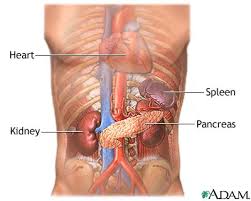
Fatal diabetes deceptions are already present since the origination of diabetes classification in the 19th century when very little was known about metabolic processes and diseases. Today, increased knowledge tells us that type 2 diabetes is a failure wherein the body fails to metabolize oils and fats properly. This failure results when insulin lost its effectiveness and the body’s failure to metabolize carbohydrates. The condition becomes clearer. Each cell of the body becomes incapable of transferring glucose from the blood to its inside. As a result, the glucose then stays in the blood stream, or stored as glycogen or fat, or disposed through the urine.
Any effective program for diabetes has its goal to restore the body’s blood glucose control mechanism. Many information arise, some are just diabetes deceptions but the diabetes malfunctioning of the body’s mechanism creates devastating symptoms that make conventional treatment financially lucrative.
In 2001, more than 900,000 Americans died because of diabetes going out of control. If you are diabetic, most likely physicians would not tell you that diabetes is mostly curable. “Cure” shall not be mentioned, but “treatment”.
The financial and political influence in the medical industry
The diabetes industry today is a big community with the roots coming from the early twentieth century. In recent years, there is a success of curtailing some attempts that pointed out frauds involved in modern treatment of diabetes. Political and financial influence of the diabetes medical community weakened the original goals of government regulatory agencies (and this is one of the fatal diabetes deceptions going on) by approving ineffective, death-dealing diabetes drugs which testings are not sufficient yet. Former FDA commissioner Herbert Leonard Ley, Jr. said in a US Senate hearing commented that people think FDA is protecting them when it is not. What it actually does and what the public think are as different as night and day.
The political and financial influence in the diabetes medical community also rules the medical insurance industry. It is harder to find a group medical insurance that covers alternative medical treatments, since it mostly covers only orthodox medical treatment, which is standard in all places. It is known that there very few licensed naturopaths in the US, about 1,400 in 11 states, compared to over 3.4 million orthodox licenses in all states; allowing diabetes deceptions to stay at large. Eventually, only diabetes treatments approved by licensed practitioners are insurable which creates more money within the traditional drug and medical industry.
The medical community influence virtually controls diabetes publications since they are being paid by diabetes supplies. That is why when looking for a magazine about diabetes, look at the page first if it is not full of ads about diabetes supplies.
Fatal diabetes deceptions are already present since the origination of diabetes classification in the 19th century when very little was known about metabolic processes and diseases. Today, increased knowledge tells us that type 2 diabetes is a failure wherein the body fails to metabolize oils and fats properly. This failure results when insulin lost its effectiveness and the body’s failure to metabolize carbohydrates. The condition becomes clearer. Each cell of the body becomes incapable of transferring glucose from the blood to its inside. As a result, the glucose then stays in the blood stream, or stored as glycogen or fat, or disposed through the urine.
Any effective program for diabetes has its goal to restore the body’s blood glucose control mechanism. Many information arise, some are just diabetes deceptions but the diabetes malfunctioning of the body’s mechanism creates devastating symptoms that make conventional treatment financially lucrative.
In 2001, more than 900,000 Americans died because of diabetes going out of control. If you are diabetic, most likely physicians would not tell you that diabetes is mostly curable. “Cure” shall not be mentioned, but “treatment”.
The financial and political influence in the medical industry
The diabetes industry today is a big community with the roots coming from the early twentieth century. In recent years, there is a success of curtailing some attempts that pointed out frauds involved in modern treatment of diabetes. Political and financial influence of the diabetes medical community weakened the original goals of government regulatory agencies (and this is one of the fatal diabetes deceptions going on) by approving ineffective, death-dealing diabetes drugs which testings are not sufficient yet. Former FDA commissioner Herbert Leonard Ley, Jr. said in a US Senate hearing commented that people think FDA is protecting them when it is not. What it actually does and what the public think are as different as night and day.
The political and financial influence in the diabetes medical community also rules the medical insurance industry. It is harder to find a group medical insurance that covers alternative medical treatments, since it mostly covers only orthodox medical treatment, which is standard in all places. It is known that there very few licensed naturopaths in the US, about 1,400 in 11 states, compared to over 3.4 million orthodox licenses in all states; allowing diabetes deceptions to stay at large. Eventually, only diabetes treatments approved by licensed practitioners are insurable which creates more money within the traditional drug and medical industry.
The medical community influence virtually controls diabetes publications since they are being paid by diabetes supplies. That is why when looking for a magazine about diabetes, look at the page first if it is not full of ads about diabetes supplies.
Marine Phytoplankton’s Role in Diabetes
In the past, marine phytoplankton was regarded possible treatment for diabetes. Now, it is already becoming understood that it can help in the treatment of all types of diabetes. In fact, it is a cure for both type 1 and type 2 diabetes.

Today’s era has acknowledged the beneficial effects of marine phytoplankton in diabetes management. It is even regarded as a cure for both type 1 and type 2 diabetes. The best thing is it is a natural treatment that can address the main cause of the illness. Furthermore, it helps decrease the symptoms that go with diabetes. Because of being natural, no drug can equal its effects.
Patients with diabetes have high levels of glucose in the blood because of either two causes – lack of insulin (type 1 diabetes) or insulin resistance (the body does not listen to insulin. This is called type 2 diabetes). High blood sugar always makes the body prone to many infections. Type 1 diabetes treatment is to mainly add insulin to the body while for type 2 diabetes, fight obesity through diet and exercise.
Marine phytoplankton
As a natural element used to cure diabetes, phytoplankton lessens the sugar in the body’s bloodstream and treats the symptoms that go with diabetes like general malaise, thirst, appetite issues and frequent urination.
When using phytoplankton to treat diabetes, the individual should keep up the intake very carefully. Failure to do so can make blood glucose levels to rise dangerously, and that is when phytoplankton intake is being maintained improperly or when stopped abruptly.
For type 2 diabetes when insulin resistance is the issue, some membranes of the cells in the liver undergo inflammation, oxidization and toxicity. Phytoplankton fights these through its anti-inflammatory and anti-oxidant component. Marine phytoplankton likewise detoxifies the cells thereby removing and solving the problem of the body’s resistance to insulin.
Marine phytoplankton therefore cures both types of diabetes – type 1 and type 2. Likewise, it boosts the immune system. The immune system repair is critical since it is the major cause of type 1 diabetes – an abnormality wherein the immune system does not recognize its own body parts and attacks the insulin-producing pancreas. Lowered immune systems are common with diabetics that is why patients have to be very careful to infected wounds, common colds and infections of all sorts.
Today’s era has acknowledged the beneficial effects of marine phytoplankton in diabetes management. It is even regarded as a cure for both type 1 and type 2 diabetes. The best thing is it is a natural treatment that can address the main cause of the illness. Furthermore, it helps decrease the symptoms that go with diabetes. Because of being natural, no drug can equal its effects.
Patients with diabetes have high levels of glucose in the blood because of either two causes – lack of insulin (type 1 diabetes) or insulin resistance (the body does not listen to insulin. This is called type 2 diabetes). High blood sugar always makes the body prone to many infections. Type 1 diabetes treatment is to mainly add insulin to the body while for type 2 diabetes, fight obesity through diet and exercise.
Marine phytoplankton
As a natural element used to cure diabetes, phytoplankton lessens the sugar in the body’s bloodstream and treats the symptoms that go with diabetes like general malaise, thirst, appetite issues and frequent urination.
When using phytoplankton to treat diabetes, the individual should keep up the intake very carefully. Failure to do so can make blood glucose levels to rise dangerously, and that is when phytoplankton intake is being maintained improperly or when stopped abruptly.
For type 2 diabetes when insulin resistance is the issue, some membranes of the cells in the liver undergo inflammation, oxidization and toxicity. Phytoplankton fights these through its anti-inflammatory and anti-oxidant component. Marine phytoplankton likewise detoxifies the cells thereby removing and solving the problem of the body’s resistance to insulin.
Marine phytoplankton therefore cures both types of diabetes – type 1 and type 2. Likewise, it boosts the immune system. The immune system repair is critical since it is the major cause of type 1 diabetes – an abnormality wherein the immune system does not recognize its own body parts and attacks the insulin-producing pancreas. Lowered immune systems are common with diabetics that is why patients have to be very careful to infected wounds, common colds and infections of all sorts.
Subscribe to:
Posts (Atom)
